Is Offshore Kayak Fishing Safe?

Published: September 15, 2026
Offshore kayak fishing can be safe when the trip is planned around suitable weather, proper equipment, experience, and a realistic understanding of the conditions. At the same time, heading farther from shore brings risks that are less significant in protected waters. Wind, waves, currents, boat traffic, changing weather, and equipment problems can all become more serious once you are offshore.
A stable fishing kayak and the right kayak fishing gear are only part of the preparation. You also need to know how to handle the kayak, recognize changing conditions, communicate in an emergency, and get back into the kayak after a capsize. The goal is not to eliminate every risk, but to prepare well enough to make sensible decisions before and during your time on the water.
What Makes Offshore Kayak Fishing Safe?
Offshore kayak fishing requires more preparation than protected-water trips because you are exposed to waves, wind, currents, boat traffic, and changing weather. Safety depends on combining suitable conditions with the right equipment and skills.
- Weather Conditions: Choose days with manageable wind, waves, and weather. Check marine conditions before launching and continue monitoring them during your trip.
- Kayak Stability: Use a fishing kayak suited to offshore conditions, with enough stability for paddling, casting, landing fish, and handling unexpected movement.
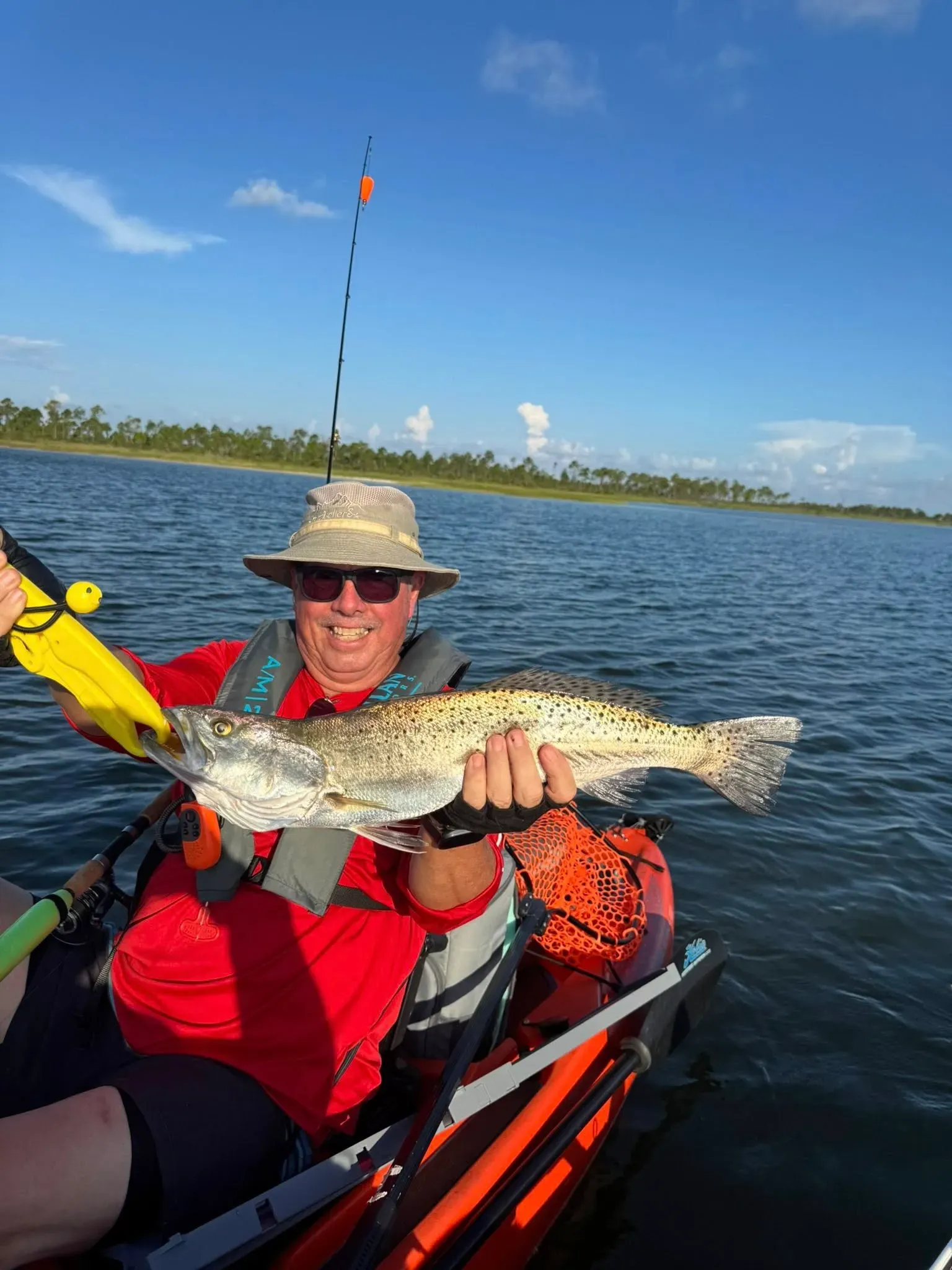
- Safety Equipment: Wear a properly fitted PFD and keep communication, signaling, first-aid, and emergency equipment accessible rather than packed away.
- Self-Rescue Skills: Know how to recover after a capsize and re-enter your kayak before attempting longer offshore trips.
- Experience Level: Build confidence in calmer waters before increasing your distance offshore or attempting conditions that demand stronger paddling and rescue skills.
- Communication: Carry a reliable waterproof communication device and let someone know your planned route, launch point, and expected return time.
Weather Conditions You Should Never Ignore
Offshore weather deserves close attention because conditions can become difficult quickly once you are away from protected water. Check the forecast before launching and be prepared to change your plans.
Wind
Strong or increasing winds can make paddling difficult, increase drift, and make returning to shore more physically demanding. Wind direction can also affect your ability to maintain your planned route.
- Watch for: Increasing wind speeds or unfavorable wind direction.
Waves and Swell
Wave height, direction, and spacing can affect kayak stability and control. Conditions that seem manageable from shore may feel considerably stronger once you are offshore and surrounded by moving water.
- Watch for: Waves that make maintaining balance or direction difficult.
Thunderstorms
Thunderstorms create several offshore hazards, including lightning, sudden wind increases, heavy rain, and poor visibility. Storm development can also happen quickly during warm-weather fishing periods.
- Watch for: Developing storm cells, lightning, or rapidly changing conditions.
Visibility
Fog, heavy rain, and poor visibility can make it harder to see boats, navigation markers, landmarks, and other hazards around you while offshore.
- Watch for: Conditions that significantly reduce your ability to see nearby traffic.
Forecast Changes
An acceptable forecast at launch does not guarantee safe conditions throughout the entire trip. Wind, waves, and storms can develop or intensify while you are offshore.
- Watch for: Forecast updates showing worsening conditions during your planned return window.
How Far Offshore Is Safe for Kayak Fishing?
There is no single distance that makes offshore kayak fishing safe for everyone. The right distance depends on your experience, kayak, weather, wind direction, current, and ability to return under changing conditions.
- Experience Level: Beginners should stay closer to shore and build confidence before attempting longer offshore routes.
- Paddling Ability: Consider how long you can comfortably paddle against wind, waves, or current without exhausting yourself.
- Return Distance: Always consider the effort required to get back, not just how easy the outward journey feels.
- Wind Direction: A favorable wind may help you travel outward but become a problem if it strengthens before your return.
- Emergency Options: Know where you could safely land or seek assistance if conditions change unexpectedly.
- Practical Approach: Increase your offshore distance gradually as your skills, equipment, and understanding of local conditions improve.
Essential Safety Gear for Offshore Kayak Fishing
The right safety equipment should be accessible throughout the trip. Offshore anglers need to prepare for common problems such as capsizing, equipment failure, changing weather, or losing communication with others.
- Personal Flotation Device: Wear a properly fitted PFD throughout the trip rather than keeping it stored on the kayak.
- Whistle: Keep a whistle attached to your PFD where it can be reached quickly if you need to attract attention.
- Communication Device: Carry a waterproof phone, marine radio, or another reliable communication option suitable for your location.
- Signaling Equipment: Pack appropriate visual signaling equipment that can help rescuers locate you if you become separated from your planned route.
- First-Aid Kit: Carry basic first-aid supplies for cuts, hooks, scrapes, or other minor injuries that can happen while fishing.
- Navigation Equipment: GPS, navigation apps, charts, or other suitable tools can help you maintain awareness of your location.
- Emergency Lighting: A waterproof light or strobe can improve visibility if conditions become dark or visibility drops unexpectedly.
How to Prepare Your Kayak Before Going Offshore
A proper pre-trip check can prevent small equipment problems from becoming serious offshore. Follow these steps before launching and make sure everything you need remains secure and accessible.
- Step 1: Inspect the Hull: Check the kayak for cracks, damage, loose fittings, or anything that could affect its performance on the water.
- Step 2: Check Drainage: Clear the scupper holes and drainage points so water can move out of the kayak properly.
- Step 3: Secure the Hatches: Make sure storage compartments close tightly and protect your essentials from water exposure.
- Step 4: Test the Seat: Confirm that the seat and adjustment points are properly secured before you launch.
- Step 5: Inspect the Paddle: Check the paddle for cracks, loose connections, or damage that could affect your ability to maneuver.
- Step 6: Secure Fishing Equipment: Fasten rods, tackle boxes, and other kayak fishing accessories so they cannot interfere with paddling or movement.
- Step 7: Clear the Deck: Keep the area around your feet and seat organized so you can paddle, brace, or perform a self-rescue without obstruction.
What Skills Do You Need for Offshore Kayak Fishing?
Offshore conditions demand more than basic paddling ability. You should be comfortable controlling your kayak, maintaining stability, handling fishing equipment, and responding calmly if conditions become difficult.
- Basic Kayak Control: Practice turning, stopping, reversing, and maintaining your direction before venturing into open water.
- Bracing: Learn how to use your paddle for support when waves, wakes, or sudden movements affect your balance.
- Self-Rescue: Practice getting back into your kayak after a capsize until you can perform the process confidently.
- Assisted Rescue: Know how to help another paddler without creating additional danger for yourself or the other person.
- Navigation: Understand how to use GPS, charts, landmarks, or other navigation tools to maintain awareness of your position.
- Weather Awareness: Learn to recognize worsening wind, waves, storms, and visibility before conditions become difficult to manage.
Boat Traffic and Offshore Kayak Fishing Safety
Sharing offshore water with larger vessels creates risks that kayak anglers must actively manage. Your smaller profile can make you harder for boat operators to notice, especially in busy areas or changing visibility.
- Visibility: Use bright equipment, appropriate flags, and other visibility aids to make your kayak easier to spot.
- Busy Channels: Avoid areas with concentrated vessel traffic whenever possible, particularly routes used by larger commercial or recreational boats.
- Boat Blind Spots: Remember that larger vessels may have limited visibility, especially when you are close to their bow or stern.
- Navigation Awareness: Keep scanning your surroundings rather than focusing only on your fishing setup.
- Fishing Equipment: Secure rods and other kayak fishing accessories so they do not distract you from watching nearby vessels.
- Safe Distance: Give larger boats plenty of room and avoid assuming that another vessel has seen you.
Fishing From a Kayak Offshore: What Changes?
Fishing offshore from a kayak introduces additional challenges because you are balancing, paddling, and managing fishing equipment on a small platform. Even routine actions can affect stability when conditions are moving.
Fighting a Strong Fish
A powerful fish can pull against the kayak and change its direction unexpectedly, particularly when it makes a sudden run.
- Keep your weight centered while applying controlled pressure.
- Avoid leaning too far toward the fish.
Casting
Casting requires balance and body movement, which can become more challenging when waves or wakes are present.
- Maintain a stable sitting position while casting.
- Keep unnecessary equipment secured and out of the way.
Landing Fish
Reaching over the side to grab a fish can shift your center of gravity and make the kayak less stable.
- Bring the fish close before reaching for it.
- Avoid sudden movements while leaning over the kayak.
Handling Tackle
Hooks, knives, lures, and other sharp equipment can create hazards when the kayak is moving.
- Keep sharp equipment secured when not in use.
- Organize tackle where it remains easy to reach safely.
Anchoring
Using kayak anchor systems offshore requires extra care because strong current or changing conditions can affect the kayak and anchor line.
- Use an anchoring setup appropriate for the conditions.
- Know how to release the system quickly if necessary.
When Should You Not Go Offshore Kayak Fishing?
Knowing when to stay off the water is just as important as knowing how to prepare for a trip. Offshore conditions can become difficult quickly, and postponing a trip is often the safest decision when conditions exceed your experience or equipment.
- Strong Winds: Avoid launching when wind conditions could make paddling, positioning, or returning to shore difficult.
- Large Waves: Skip the trip when wave height or swell makes maintaining balance and control uncomfortable.
- Approaching Storms: Do not launch when thunderstorms or rapidly developing storms are expected during your planned time on the water.
- Poor Visibility: Fog, heavy rain, or other conditions that limit your ability to see boats and navigation markers can create unnecessary risk.
- Limited Experience: Stay closer to shore when you are still developing your paddling, bracing, navigation, or self-rescue skills.
- Equipment Problems: Postpone the trip if your kayak, paddle, PFD, communication device, or essential kayak fishing gear is damaged or missing.
- Physical Fatigue: Avoid going offshore when you are tired, unwell, or not physically prepared for a demanding paddle back to shore.
- Changing Conditions: Be willing to turn around early if wind, waves, current, or weather become worse than expected.
Offshore vs. Inshore Kayak Fishing Safety
The biggest difference between inshore and offshore kayak fishing is the level of exposure. Inshore waters can provide more shelter and easier access to shore, while offshore trips require greater preparation for changing conditions.
Offshore Kayak Fishing
Offshore fishing places you in more open water, where wind, waves, currents, and boat traffic can have a greater effect on your trip.
- Greater Exposure: Open water offers less protection when wind and waves increase.
- Longer Return: A change in conditions can make the paddle back significantly harder.
- Stronger Conditions: Swell and current may affect kayak stability and control.
- Boat Traffic: Larger vessels require greater awareness and visibility.
- Emergency Planning: Communication and self-rescue equipment become especially important farther from shore.
Inshore Kayak Fishing
Inshore areas can provide a more controlled environment, particularly for anglers building experience before moving into open water.
- Closer to Shore: Shorter distances can make returning easier if conditions change.
- More Shelter: Bays and protected areas may reduce exposure to larger waves.
- Easier Practice: Calm water provides a better environment for developing paddling and rescue skills.
- Flexible Locations: Anglers can often move into more protected areas when wind increases.
- Beginner-friendly: Suitable inshore areas can help build confidence before attempting offshore trips.
Guided Offshore Kayak Fishing With Tactical Tide Kayak Guide LLC
Offshore kayak fishing requires preparation, local awareness, and the ability to make sound decisions as conditions change. Tactical Tide Kayak Guide LLC provides guided kayak fishing experiences with attention to water conditions, suitable fishing areas, equipment, and the experience level of each angler.
Guided trips can be especially useful for anglers who are new to offshore kayak fishing or unfamiliar with the local waters. Having experienced guidance can help you understand how weather, wind, currents, fishing locations, and kayak handling affect your time on the water.
Conclusion
Offshore kayak fishing can be safe when you respect the conditions, use appropriate equipment, understand your limits, and know how to respond when something goes wrong. Weather, waves, wind, currents, boat traffic, and distance from shore all deserve careful consideration before launching. Building your skills in calmer waters can also make the transition to offshore fishing more manageable. If you are ready to experience offshore kayak fishing with knowledgeable guidance, book a trip with Tactical Tide Kayak Guide LLC and get on the water with a plan.
FAQs
1. Is offshore kayak fishing safe for beginners?
It can be, but beginners should first develop basic paddling, stability, navigation, and self-rescue skills in calmer waters before attempting exposed offshore conditions.
2. How far offshore can you safely kayak fish?
There is no universal safe distance. Your experience, kayak, weather, wind, current, physical ability, and ability to return to shore should determine how far you travel.
3. What weather conditions are unsafe for offshore kayak fishing?
Strong winds, large waves, thunderstorms, poor visibility, and rapidly changing conditions can make offshore kayak fishing unsafe, particularly when they exceed your experience or equipment capabilities.
4. Do you need a special kayak for offshore fishing?
An offshore kayak should provide suitable stability, drainage, storage, and handling for open-water conditions. Your kayak should also match your experience and the conditions you intend to encounter.
5. What safety gear should I carry on an offshore kayak?
Wear a PFD and carry reliable communication equipment, signaling devices, basic first aid, navigation equipment, emergency lighting, and other safety gear appropriate for your trip.
6. How do you stay safe around boats while kayak fishing?
Stay alert, improve your visibility, avoid busy channels when possible, and give larger vessels plenty of space. Never assume a boat operator has seen your kayak.
7. What should you do if your kayak capsizes offshore?
Stay with your kayak, remain calm, and use your practiced self-rescue technique. Your PFD should remain on throughout the trip, and communication equipment should be accessible.
8. Is offshore kayak fishing safer with a guide?
A knowledgeable guide can provide local insight, help assess conditions, identify suitable fishing areas, and support anglers who are unfamiliar with the local water.
9. Can you offshore kayak fish in windy conditions?
Wind can make offshore kayak fishing considerably more difficult. If conditions are beyond your ability to control the kayak or safely return, postpone the trip.
10. Should I practice self-rescue before going offshore?
Yes. Knowing how to re-enter your kayak after a capsize is an important skill to practice before attempting longer or more exposed offshore fishing trips.