Beginner’s Guide to Offshore Kayak Fishing

Published: September 15, 2026
Offshore kayak fishing gives anglers a hands-on way to reach saltwater fishing grounds beyond the shoreline. Instead of staying on a pier or fishing from land, you can paddle toward reefs, deeper water, and other productive areas. The experience can be exciting, but open water also brings stronger winds, waves, currents, boat traffic, and changing weather. That makes preparation an important part of the trip, especially for someone new to kayak fishing.
A good starting point is learning how your kayak handles before venturing offshore. Practice paddling, turning, casting, and basic recovery skills in calmer water. Keep your setup practical rather than filling the kayak with unnecessary equipment. With the right kayak fishing gear, safety preparation, and understanding of local conditions, beginners can gradually build the skills needed for a more confident offshore fishing experience.
What Is Offshore Kayak Fishing?
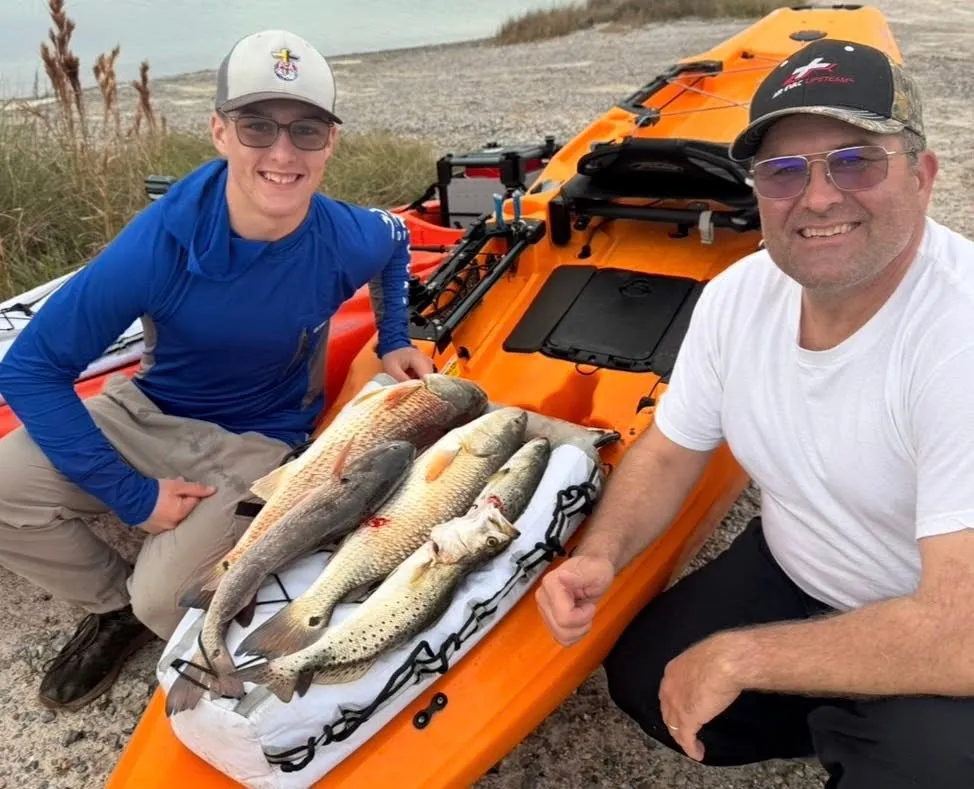
Offshore kayak fishing means using a fishing kayak beyond protected bays, shallow coastal areas, and the immediate shoreline to reach deeper saltwater fishing grounds. Anglers may fish around reefs, ledges, wrecks, or other underwater structures where different species gather. Open water also exposes kayakers to stronger winds, waves, currents, and boat traffic than sheltered areas. Because of these conditions, offshore kayak fishing requires more preparation than casual shoreline fishing. Beginners should first develop basic paddling, casting, navigation, and self-rescue skills in calmer water before venturing farther offshore. The goal is to build confidence gradually while understanding how weather and water conditions can affect the trip.
Is Offshore Kayak Fishing Right for Beginners?
Beginners can work toward offshore kayak fishing, but basic paddling and safety skills should come before targeting open water. Your comfort level, kayak experience, swimming ability, and understanding of weather conditions all matter when deciding how far to go.
- Start With Calm Water: Practice paddling, turning, stopping, and controlling your kayak in protected conditions first.
- Practice Self-Rescue: Learn how to recover yourself and your kayak after a capsize before attempting an offshore trip.
- Learn Basic Navigation: Know your launch point, planned route, landmarks, and how to return safely.
- Check Conditions: Review wind, waves, tides, currents, and storms before every outing.
- Know Your Limits: Choose distances and conditions that match your current skills rather than pushing farther simply to reach more fishing water.
Choosing the Right Fishing Kayak
The kayak you choose affects stability, comfort, storage, and how easily you can handle offshore conditions. Focus on practical features rather than loading up on extras.
- Sit-On-Top vs. Sit-Inside: Sit-on-top kayaks are often easier to re-enter after a capsize, while sit-inside designs offer more protection from splashing water.
- Stability: Choose a kayak that feels steady while casting, reaching for equipment, and fighting fish.
- Length and Hull Design: Consider how the hull affects tracking, speed, maneuverability, and stability in open water.
- Weight and Transportation: Make sure you can comfortably transport, launch, and retrieve the kayak.
- Storage Capacity: Leave enough room for rods, tackle, water, safety equipment, and personal items without overcrowding the kayak.
- Fishing Kayak Rentals: Renting different models can help beginners understand which kayak style feels most comfortable before purchasing one.
Essential Kayak Fishing Gear
A beginner does not need every fishing accessory available. Start with the equipment that supports fishing, paddling, safety, and basic organization.
- Personal flotation device
- Fishing kayak
- Paddle
- Fishing rod and reel
- Tackle box
- Hooks and lures
- Fishing line and leaders
- Kayak anchor system
- Kayak rod holders
- Kayak fish finder
- Fish finder mount
- Dry bag
- Fishing pliers
- Line cutters
- Measuring tool
- Landing net
- Paddle leash
- Rod leash
- Waterproof phone case
- First-aid kit
How to Rig a Kayak for Fishing
Rigging your kayak properly keeps your gear organized while leaving enough room to paddle and move safely. Follow these basic steps before heading onto the water.
- Step 1: Clear the Cockpit: Keep your seating and footwell area free from unnecessary equipment.
- Step 2: Position Your Rod Holders: Place kayak rod holders within easy reach without interfering with your paddle.
- Step 3: Mount Your Fish Finder: Secure the kayak fish finder mount where the screen remains visible while you are seated.
- Step 4: Secure Loose Gear: Attach leashes to rods, paddles, and other equipment that could fall overboard.
- Step 5: Organize Your Tackle: Keep frequently used hooks, lures, and tools in an accessible tackle box.
- Step 6: Balance Your Load: Distribute heavier items evenly to maintain kayak stability.
- Step 7: Check Everything: Test your setup from the seated position before launching to make sure every essential item is reachable.
Fish Species You Can Catch From a Kayak
The species available will depend on your location, season, water conditions, and how far offshore you travel. Beginners can encounter a mix of inshore and offshore species, with deeper water often opening access to larger fish.
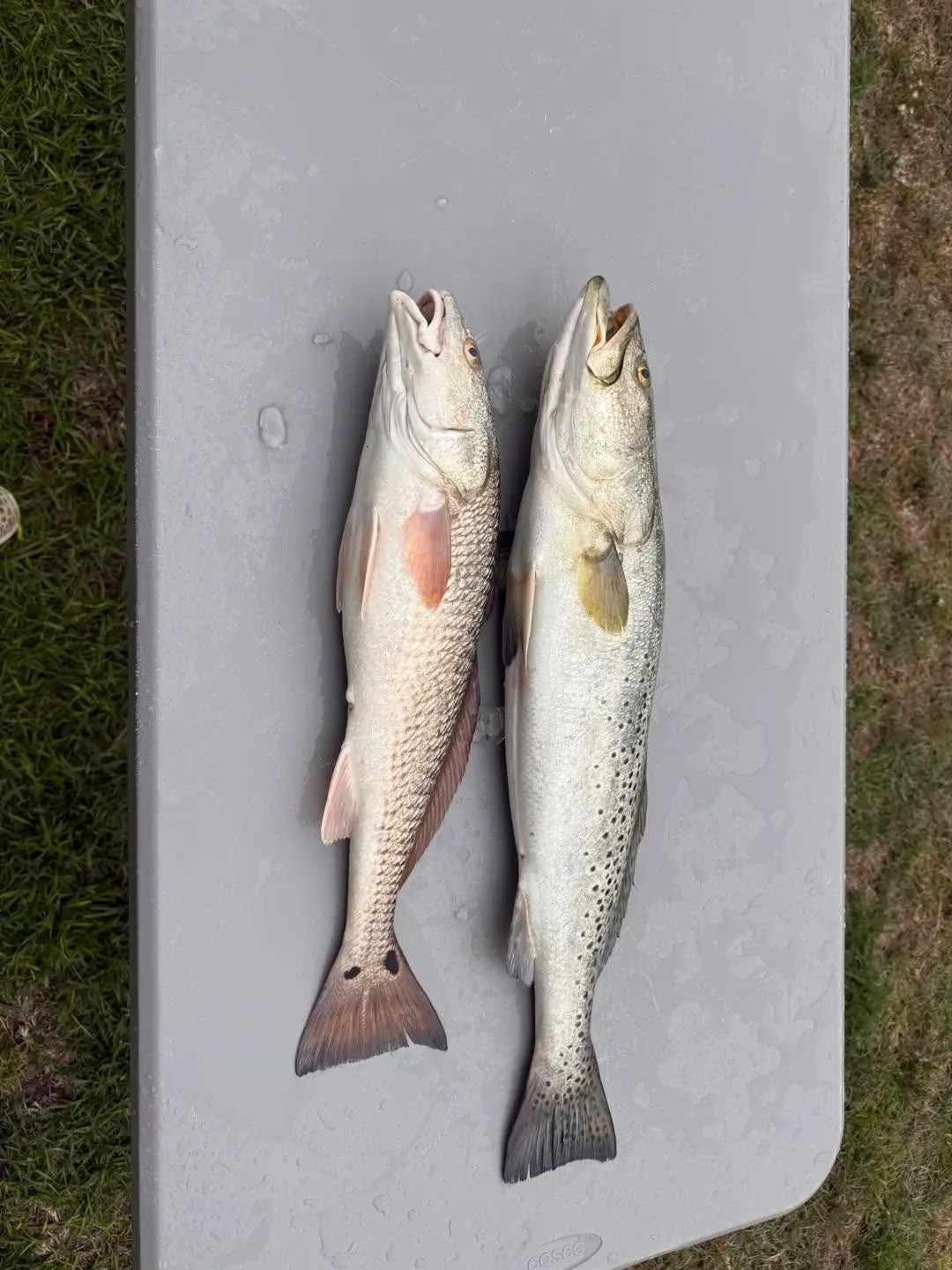
Redfish
- Common around coastal waters and shallow structure.
- Can provide strong fights on appropriately sized tackle.
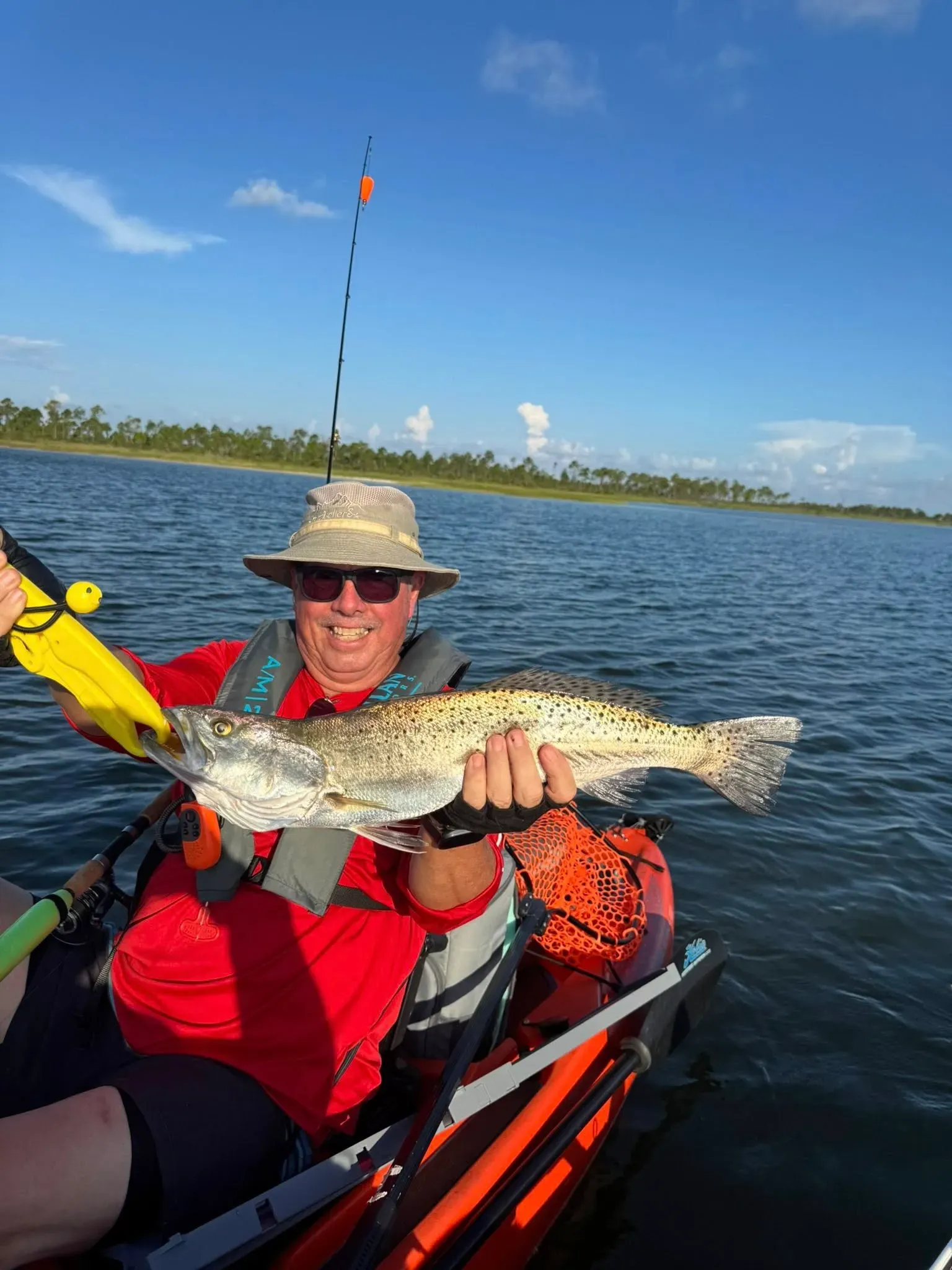
Speckled Trout
- Often found around grass, flats, and coastal structure.
- Artificial lures and live bait can both be effective.
Flounder
- Usually found near sandy bottoms and other shallow areas.
- Bottom-oriented presentations work well for targeting them.
Spanish Mackerel
- Fast-moving fish often found in nearshore Gulf waters.
- Trolling and casting can be productive techniques.
King Mackerel
- Typically targeted farther offshore around bait-rich areas.
- Strong runs make suitable tackle and line preparation important.
Cobia
- Can be found around structures, buoys, and other offshore areas.
- Sight fishing can be effective when conditions allow.
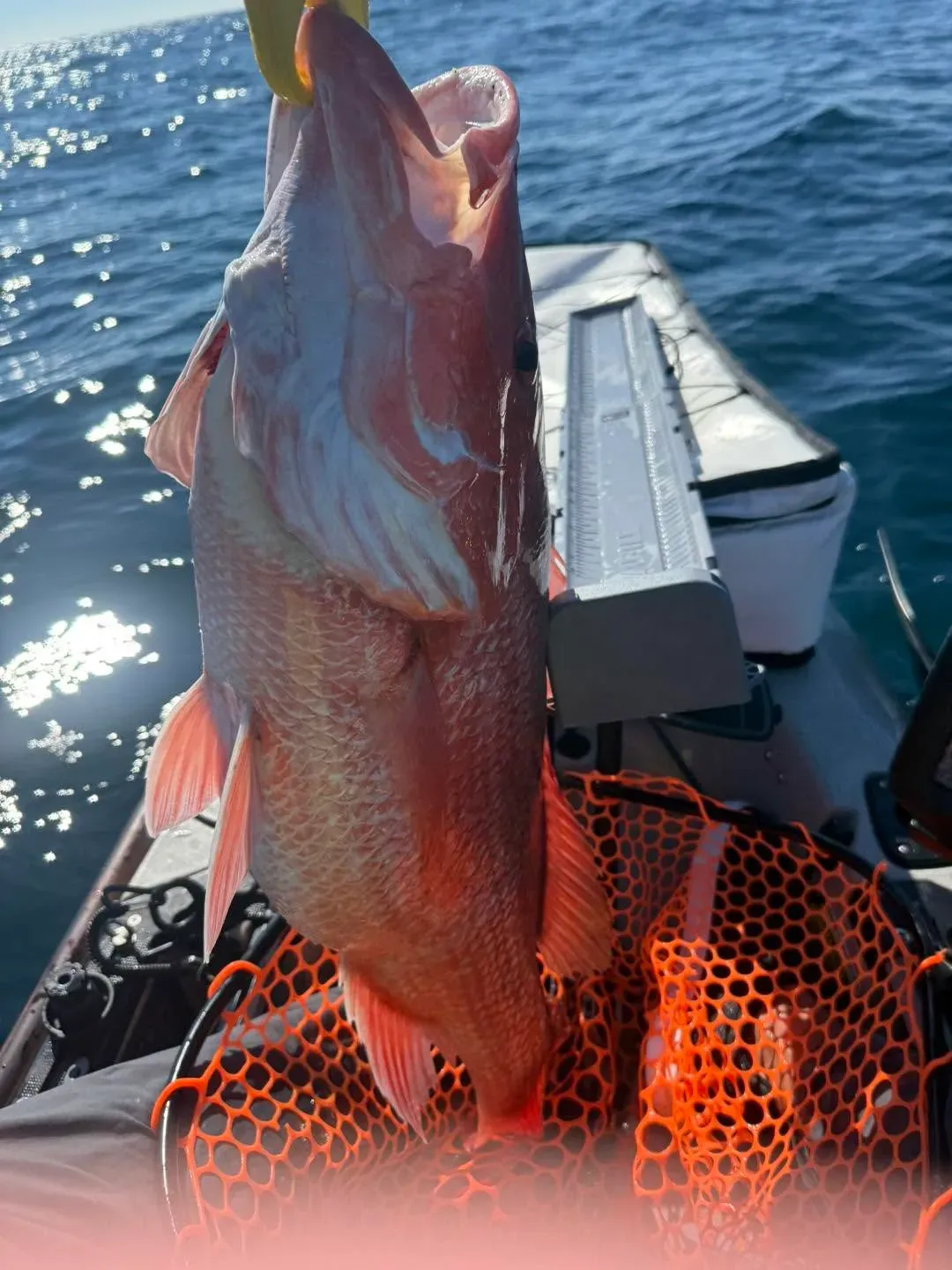
Red Snapper
- Associated with reefs, wrecks, and other offshore structures.
- Bottom fishing with appropriate bait or rigs is commonly used.
Grouper
- Often hold around deeper structures such as reefs and ledges.
- A strong tackle is important when fishing around heavy cover.
Best Fishing Techniques for Offshore Kayak Fishing
The right technique depends on the species you are targeting, the structure beneath you, and the day's water conditions. These methods give beginners a practical starting point for offshore kayak fishing.
Bottom Fishing
- Drop bait near reefs, ledges, wrecks, or other underwater structure.
- Keep your line controlled so you can detect bites quickly.
Drift Fishing
- Let wind or current move the kayak across productive fishing areas.
- Monitor your drift to maintain control of your position.
Trolling
- Pull a suitable lure behind the kayak at a steady pace.
- Keep your line organized and watch for nearby boat traffic.
Casting Around Structure
- Cast toward areas where fish are likely to gather.
- Maintain enough distance to avoid snags and unnecessary contact.
Live Bait
- Present appropriate live bait based on your target species.
- Keep bait organized without creating clutter around your kayak.
Fishing License and Regulations
Fishing regulations can vary based on the state, location, species, and type of fishing you plan to do. Before launching, check the current rules for the exact waters you intend to fish rather than relying on old information or advice from another location.
- Saltwater License: Confirm whether you need a saltwater fishing license for your chosen fishing area.
- Residency: Licensing requirements and fees can differ for residents and nonresidents.
- Size Limits: Check minimum or maximum size requirements for species you plan to keep.
- Bag Limits: Review how many fish of each species you are legally allowed to keep.
- Seasonal Rules: Some species may have specific open seasons, closures, or temporary restrictions.
- Protected Species: Learn which fish must be released and how to handle them safely.
- License Information: Anglers searching for a fishing license Gulf Shores Alabama, should verify current requirements through Alabama's official wildlife and fisheries resources before fishing.
- Before You Launch: Keep your license or required documentation accessible and confirm regulations again if you cross into different state waters.
Getting Started With Tactical Tide Kayak Guide LLC
Learning offshore kayak fishing with an experienced guide can help beginners understand the basics before heading out alone. Tactical Tide Kayak Guide LLC provides guided kayak fishing experiences designed around practical skills, local waters, fishing techniques, and safe time on the water. A guided trip can be useful for anglers who are still learning how to handle a fishing kayak, organize their equipment, read conditions, or approach productive fishing areas. Instead of trying to figure out every part of the experience at once, beginners can gain hands-on experience while receiving guidance throughout the trip. It is also an opportunity to learn how a properly prepared kayak should be handled offshore and what decisions matter before and during a fishing outing.
Conclusion
Offshore kayak fishing can be an exciting way to experience saltwater fishing, but it rewards preparation and patience. Beginners should start by developing basic paddling and self-rescue skills, choosing a stable kayak, carrying essential gear, and learning how to rig everything safely. Checking weather conditions and fishing regulations is just as important as choosing the right rod or lure. You do not need to master everything in one trip. Build your skills gradually and learn from experienced anglers when possible. Ready to get started? Book a guided offshore kayak fishing experience with Tactical Tide Kayak Guide LLC and build your confidence on the water.
FAQs
- Is offshore kayak fishing suitable for beginners?
Yes, beginners can work toward offshore kayak fishing by first developing paddling, self-rescue, navigation, and fishing skills in calmer water. - What type of kayak is best for offshore fishing?
A stable fishing kayak with suitable storage, good tracking, and enough capacity for your essential equipment is a practical choice. - What gear do I need for kayak fishing?
Basic gear includes a fishing kayak, paddle, PFD, rod and reel, tackle, anchor system, rod holders, safety equipment, and appropriate storage. - Do I need a fish finder for kayak fishing?
A fish finder is not essential for every beginner, but it can help identify depth changes, structure, and potentially productive fishing areas. - How do you anchor a fishing kayak offshore?
Use an anchor system designed for your kayak and the conditions you expect to encounter. Always consider depth, current, wind, and local safety requirements. - What should I wear for offshore kayak fishing?
Wear weather-appropriate clothing, sun protection, suitable footwear, and a properly fitted personal flotation device throughout the trip. - Do I need a fishing license for kayak fishing?
License requirements depend on the state, location, species, and type of fishing. Check the current regulations for the exact waters you plan to fish. - How far offshore can you kayak fish?
There is no single safe distance for everyone. Your experience, kayak, weather, water conditions, and ability to return safely should determine how far you travel. - What fishing techniques are good for beginners?
Bottom fishing, drift fishing, trolling, casting around structure, and live bait fishing can all be useful, depending on the location and target species. - Should beginners take a guided kayak fishing trip?
A guided trip can help beginners learn kayak handling, fishing techniques, equipment setup, local conditions, and safety practices before fishing independently.