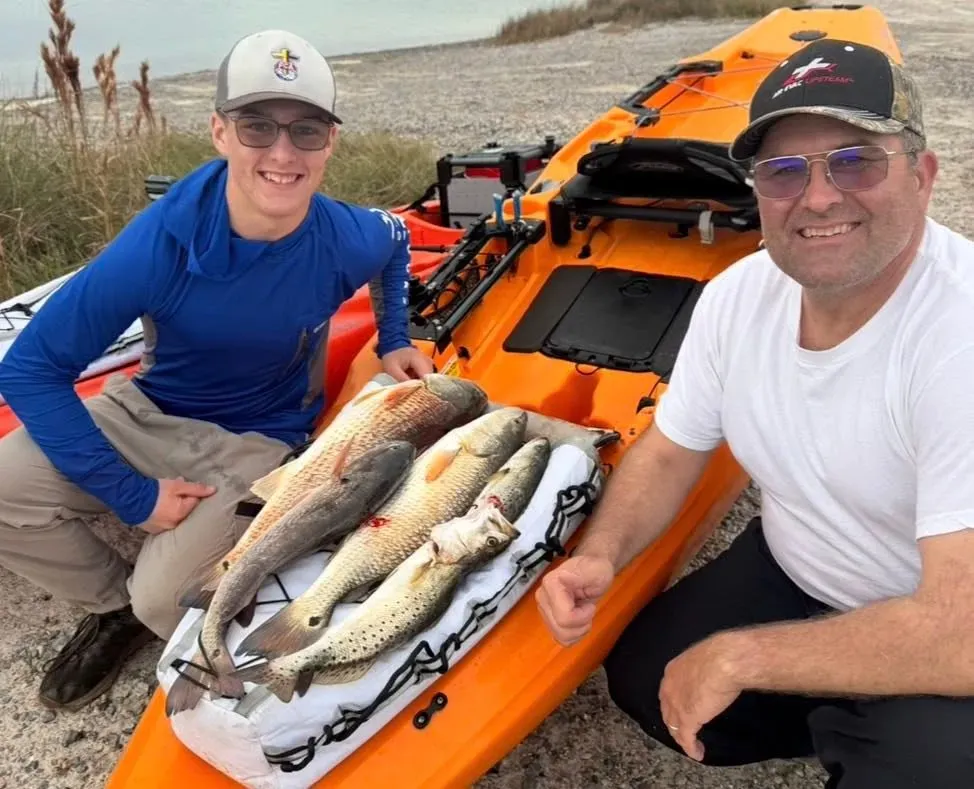
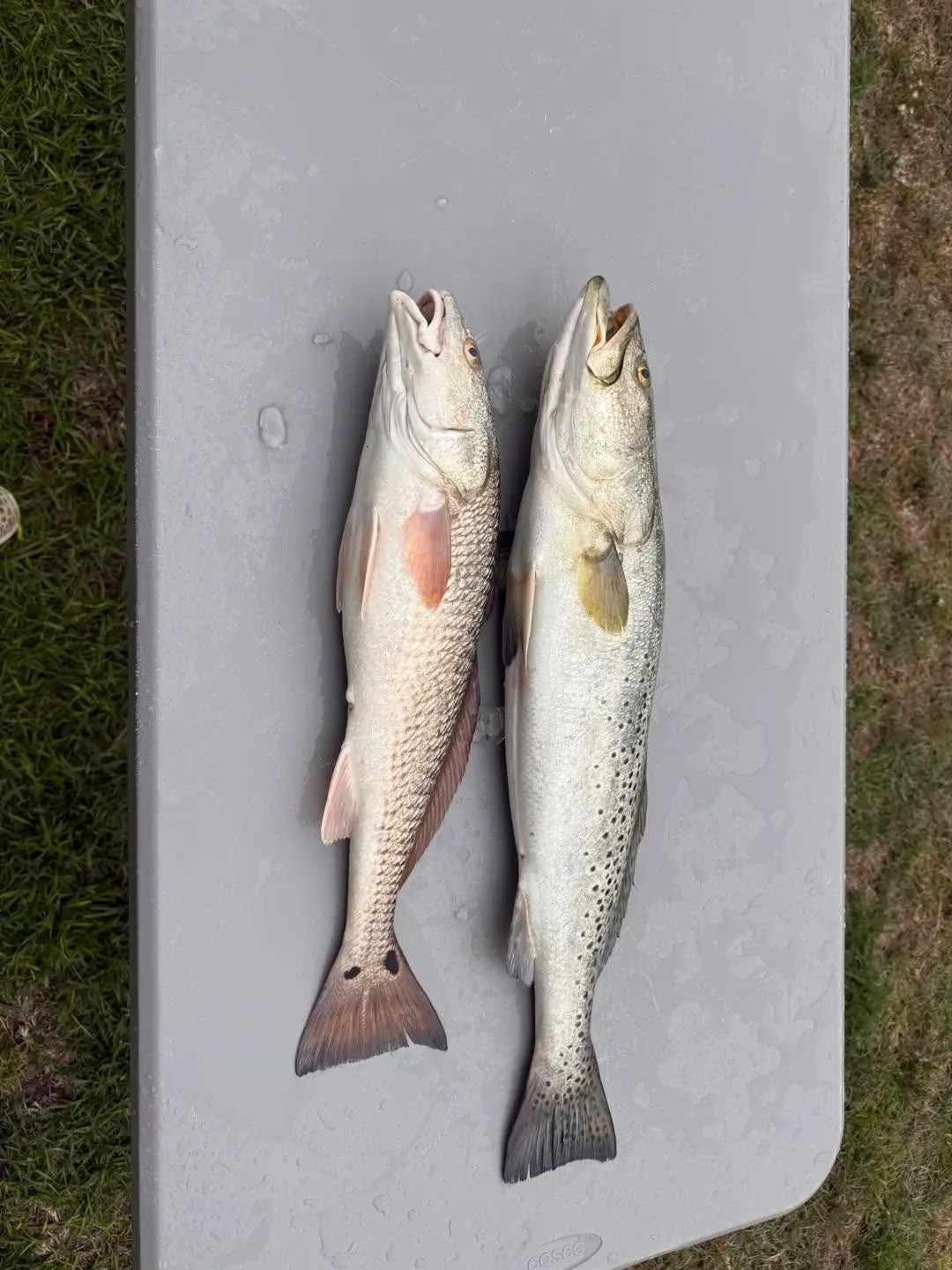
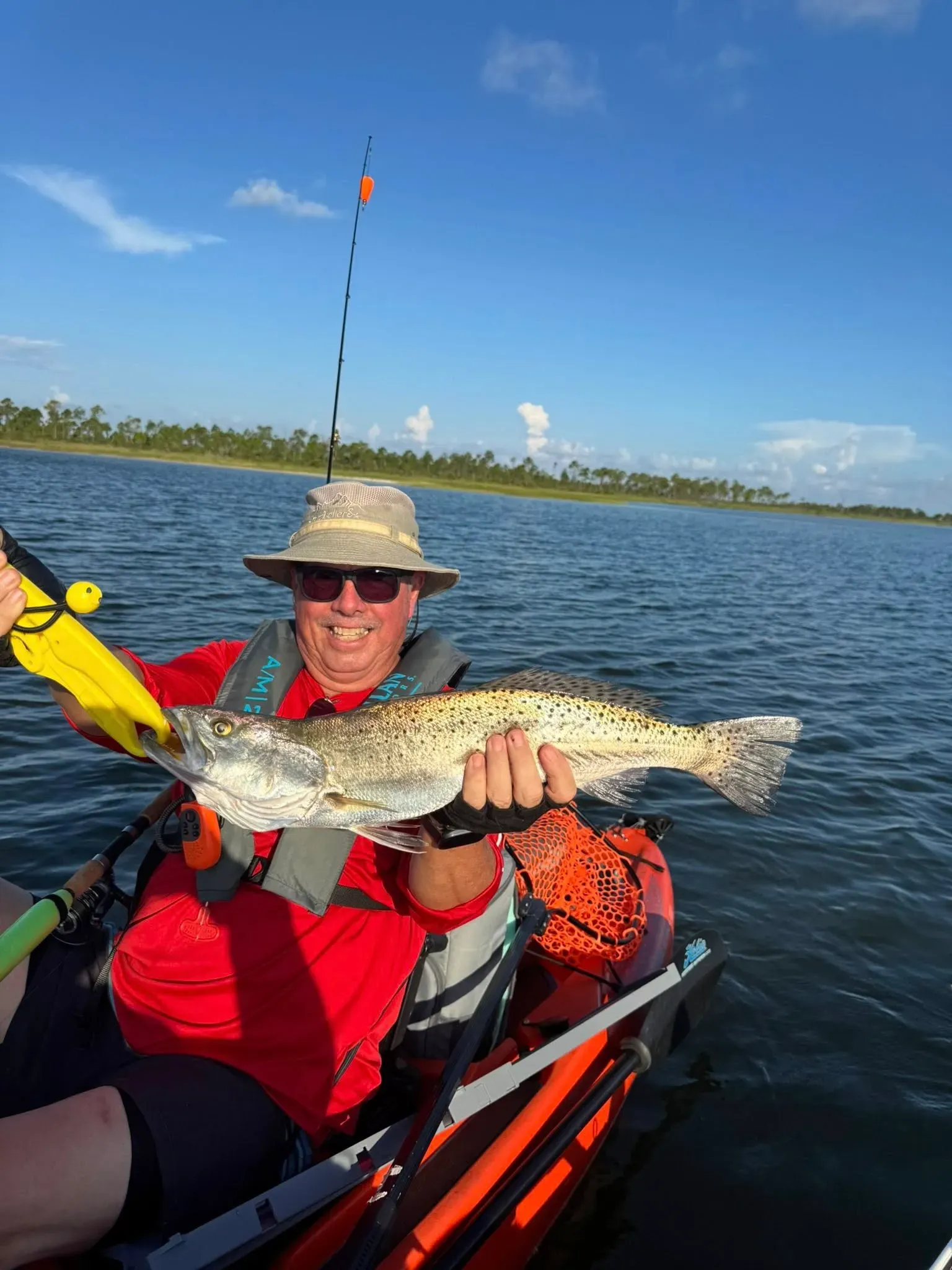
Florida Panhandle Fishing Calendar

Published: September 15, 2026
The Florida Panhandle fishing calendar changes with the seasons, water temperatures, bait movement, weather, and fish migration. From Pensacola and Navarre to Destin and the surrounding Gulf waters, anglers can find different species throughout the year. Some months favor inshore fishing, while others bring stronger nearshore and offshore opportunities.
Knowing what to target each month makes trip planning easier. Redfish, speckled trout, and sheepshead can provide cooler-season action, while cobia, king mackerel, Spanish mackerel, and offshore species become more active as the water warms. Local conditions still matter, so recent fishing reports, tides, weather, and current regulations should always be considered alongside the calendar.
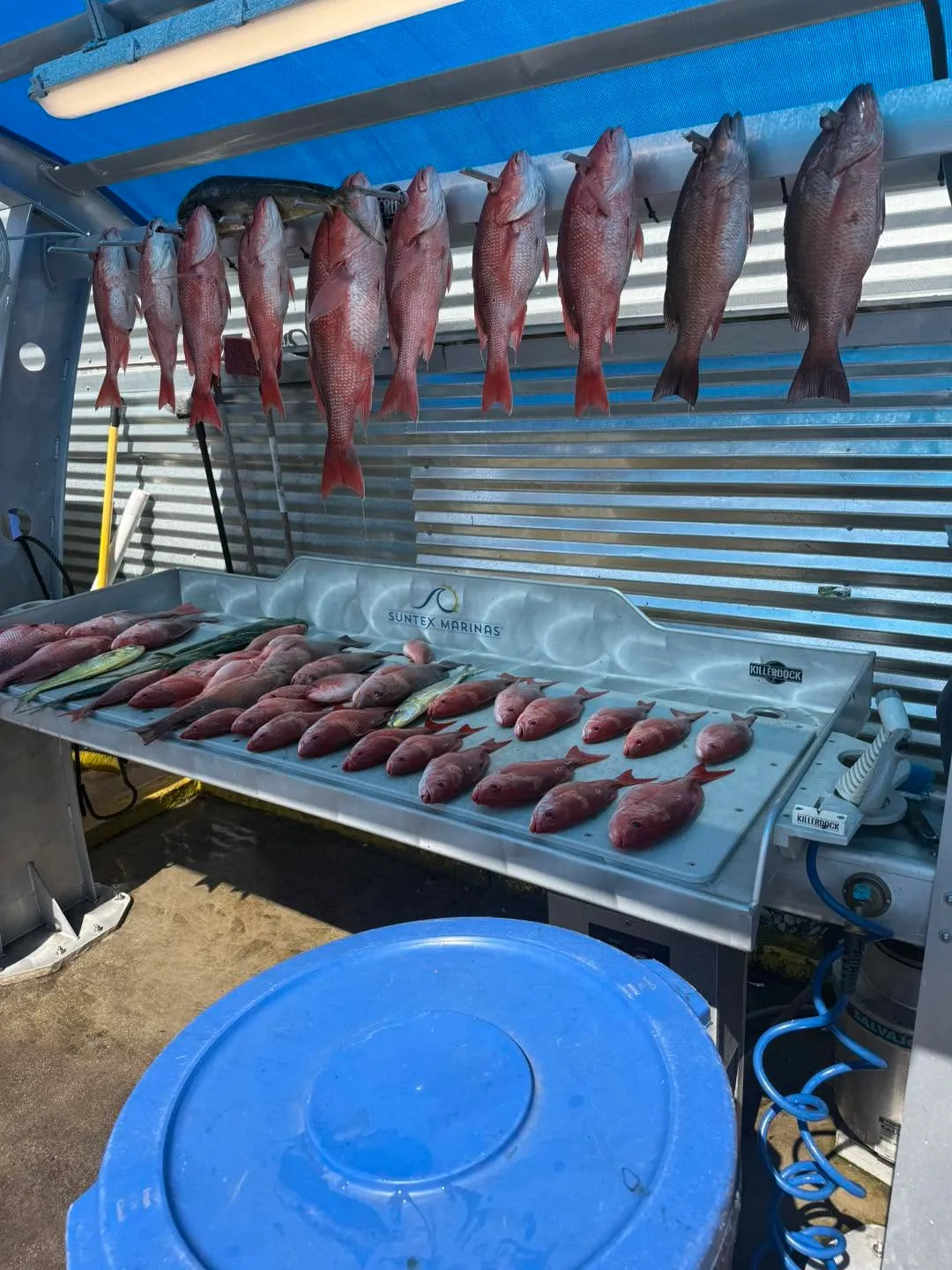
Florida Panhandle Fishing Calendar at a Glance
The fishing pattern changes throughout the year as water temperatures, bait movement, and seasonal fish migrations shift. Use this quick guide to see the main opportunities each month.
January
- Target: Sheepshead, redfish, and speckled trout
- Focus: Bays, channels, bridges, and deeper inshore areas
February
- Target: Sheepshead, redfish, speckled trout, and flounder
- Focus: Protected bays, structure, and deeper water
March
- Target: Cobia, Spanish mackerel, redfish, and speckled trout
- Focus: Passes, nearshore waters, and warming inshore areas
April
- Target: Cobia, king mackerel, Spanish mackerel, and redfish
- Focus: Beaches, passes, and nearshore structure
May
- Target: Cobia, king mackerel, Spanish mackerel, and snapper
- Focus: Nearshore waters, reefs, and offshore structure
June
- Target: Red snapper, king mackerel, grouper, and Spanish mackerel
- Focus: Offshore reefs, wrecks, and deeper Gulf waters
July
- Target: Red snapper, king mackerel, grouper, and tarpon
- Focus: Offshore structure, passes, and nearshore waters
August
- Target: Red snapper, king mackerel, tarpon, and Spanish mackerel
- Focus: Gulf waters, beaches, passes, and reefs
September
- Target: Redfish, king mackerel, Spanish mackerel, and regulated snapper opportunities
- Focus: Bays, passes, beaches, and nearshore waters
October
- Target: Redfish, speckled trout, flounder, and sheepshead
- Focus: Flats, channels, grass, and inshore structure
November
- Target: Redfish, speckled trout, sheepshead, and flounder
- Focus: Bays, channels, bridges, and deeper structure
December
- Target: Sheepshead, redfish, speckled trout, and flounder
- Focus: Deeper inshore water, bridges, and hard structure
Species availability and regulations can change, so check current Florida fishing rules before keeping fish.
January Fishing in the Florida Panhandle
January brings cooler water and a different style of fishing to the Panhandle. Fish often move toward deeper water, structure, and areas that provide more stable conditions. Protected bays and inshore locations can be useful starting points for winter anglers.
Best Fish to Target
- Sheepshead: Look around bridges, pilings, oyster areas, and other hard structure.
- Redfish: Target deeper edges, channels, flats, and protected inshore areas.
- Speckled Trout: Focus on deeper holes, channels, and areas where bait remains active.
- Flounder: Check sandy bottoms, channels, and structure during cooler periods.
Where to Fish
Protected waters around Navarre fishing areas can provide productive winter options when offshore conditions are less favorable. Anglers can also explore bays, channels, bridges, and structure where fish find food and shelter.
January Conditions
Cold fronts can affect wind, water temperature, and fish activity. Checking a recent Navarre fishing report can help anglers understand recent conditions before choosing where to fish.
February Fishing in the Florida Panhandle
February continues the cooler-water pattern, making protected inshore areas and deeper structure useful places to concentrate your efforts. Fish may not move as aggressively as they do during warmer months, so slower presentations and careful location choices can pay off.
Best Fish to Target
- Sheepshead: Focus on bridges, pilings, oyster beds, and other hard structure.
- Redfish: Look along deeper edges, channels, flats, and protected shorelines.
- Speckled Trout: Check deeper holes, channels, and areas holding bait.
- Flounder: Work sandy bottoms, channels, and structure close to the bottom.
Productive Areas
Protected bays and inshore structure can offer more comfortable fishing during February. Pay attention to areas where deeper water sits close to shallow flats because fish can move between these zones as conditions change.
February Conditions
Cold fronts remain an important factor during February. A recent Navarre fishing report can provide useful information about water conditions and recent catches before you decide where to spend the day.
March Fishing in the Florida Panhandle
March signals the beginning of a stronger spring transition. Rising water temperatures can increase bait activity and encourage more species to move through inshore and nearshore waters, giving anglers more options than earlier in winter.
Best Fish to Target
- Cobia: Watch nearshore structure, passes, and areas where migrating fish may appear.
- Spanish Mackerel: Look for bait activity in nearshore waters as temperatures rise.
- Redfish: Continue working shallow flats, shorelines, and inshore structure.
- Speckled Trout: Focus on grass, deeper edges, and areas holding bait.
Where to Fish
Passes, beaches, bays, and nearshore waters become increasingly interesting as spring approaches. Anglers following a Navarre Beach fishing report can use recent catches and conditions to identify areas showing increased activity.
March Conditions
March weather can shift quickly between cooler and warmer patterns. Watch water temperature, wind, and bait movement because these factors can influence when migratory species become active.
April Fishing in the Florida Panhandle
April brings warmer water and more noticeable spring fishing activity across the Florida Panhandle. Nearshore waters become increasingly attractive as migratory species move through, while inshore areas continue producing resident fish.
Best Fish to Target
- Cobia: Check beaches, passes, nearshore structure, and areas with strong visibility.
- King Mackerel: Look for bait-rich nearshore water and areas along seasonal migration routes.
- Spanish Mackerel: Target active bait schools around beaches and passes.
- Redfish: Continue fishing shallow flats, shorelines, and inshore structure.
Where to Fish
Beaches, passes, nearshore waters, and inshore bays all become worthwhile options. Conditions can vary considerably between locations, so anglers should avoid relying on one area throughout the month.
April Conditions
Increasing water temperatures generally bring more bait and fish activity, but wind and Gulf conditions can still affect access to nearshore and offshore areas. A current fishing report Navarre, FL can help you assess recent activity before heading out.
May Fishing in the Florida Panhandle
May brings stronger warm-water activity across the Panhandle. Rising temperatures and increasing bait movement create opportunities inshore, nearshore, and offshore, giving anglers more choices than earlier in spring.
Best Fish to Target
- Cobia: Look around beaches, passes, nearshore structure, and migrating fish.
- King Mackerel: Target bait-rich nearshore waters and areas with active current.
- Spanish Mackerel: Look for schooling bait and surface activity near beaches and passes.
- Snapper: Check reefs and offshore structure where regulations allow.
Where to Fish
Nearshore waters become increasingly productive during May, while offshore reefs and structure start attracting more attention. Bays and passes can also hold active bait and inshore species.
May Conditions
Warm water generally increases fish activity, but wind and Gulf conditions can determine whether offshore areas are practical. Check current regulations before targeting regulated species.
June Fishing in the Florida Panhandle
June brings peak summer conditions and stronger offshore opportunities. Warmer water, active bait, and established seasonal patterns make reefs, wrecks, and deeper Gulf structure important areas for anglers.
Best Fish to Target
- Red Snapper: Target suitable offshore structure when the season and regulations allow.
- King Mackerel: Look around reefs, bait schools, and nearshore structure.
- Grouper: Focus on deeper reefs, ledges, and offshore structure.
- Spanish Mackerel: Watch for bait activity around beaches and nearshore waters.
Where to Fish
Offshore reefs and wrecks become important targets during June, while nearshore waters can produce mackerel and other fast-moving species. Inshore bays remain an option when Gulf conditions are unfavorable.
June Conditions
Heat, afternoon storms, wind, and Gulf conditions should all factor into trip planning. Anglers following a Destin fishing report can use recent local information to understand current activity and conditions.
July Fishing in the Florida Panhandle
July delivers strong summer fishing across the Florida Panhandle, with offshore structure, nearshore waters, beaches, and passes all offering different opportunities. Early starts can also help anglers avoid the strongest midday heat.
Best Fish to Target
- Red Snapper: Fish reefs and offshore structure when regulations permit.
- King Mackerel: Search around bait schools, reefs, and nearshore structure.
- Grouper: Work deeper offshore structure and suitable bottom habitat.
- Tarpon: Look around passes, beaches, and areas with moving water.
Where to Fish
Offshore anglers can focus on reefs and wrecks, while nearshore fishermen can explore beaches and passes. Inshore waters may also provide options when wind or storms make the Gulf less comfortable.
July Conditions
High temperatures and afternoon thunderstorms can influence fishing plans. Check the marine forecast, wind, waves, and current conditions before heading offshore, especially when planning longer trips.
August Fishing in the Florida Panhandle
August keeps the Panhandle in its warm-water summer pattern, with strong activity around offshore structure, passes, beaches, and bait-rich nearshore areas. Early starts can help anglers take advantage of calmer conditions before afternoon weather develops.
Best Fish to Target
- Red Snapper: Focus on offshore reefs and structure when regulations allow.
- King Mackerel: Look around bait schools, reefs, passes, and nearshore waters.
- Tarpon: Target passes, beaches, and areas with moving water.
- Spanish Mackerel: Watch for schooling bait and surface activity nearshore.
Where to Fish
Offshore reefs can hold snapper and other bottom species, while passes and beaches can attract mackerel and tarpon. Anglers exploring fishing Florida Panhandle waters should choose locations based on current conditions rather than relying only on seasonal patterns.
August Conditions
High temperatures, afternoon thunderstorms, wind, and changing Gulf conditions can affect trip timing. Check the marine forecast and recent fishing activity before heading offshore.
September Fishing in the Florida Panhandle
September begins the transition from summer toward fall. Warm water can still support strong nearshore and offshore activity, while changing conditions gradually create new opportunities for inshore anglers.
Best Fish to Target
- Redfish: Focus on bays, shorelines, flats, and passes as fall patterns begin developing.
- King Mackerel: Look around bait-rich nearshore water and passes.
- Spanish Mackerel: Target beaches, passes, and areas where bait is concentrated.
- Snapper: Check current regulations before targeting regulated offshore species.
Where to Fish
Nearshore waters, passes, beaches, and bays can all produce during September. Offshore opportunities remain available when wind and sea conditions cooperate, but inshore areas can become increasingly attractive as fall approaches.
September Conditions
Weather can remain hot, but changing wind patterns and occasional storms may affect conditions. A current Destin FL fishing report can help anglers compare recent catches with the broader seasonal pattern.
October Fishing in the Florida Panhandle
October brings a noticeable shift toward fall fishing. Cooling water can increase inshore activity, while anglers often begin focusing more heavily on species that thrive around flats, channels, and protected structure.
Best Fish to Target
- Redfish: Work shorelines, flats, channels, and areas with moving water.
- Speckled Trout: Look around grass, deeper edges, and bait-rich inshore areas.
- Flounder: Check sandy bottoms, channels, and structure.
- Sheepshead: Begin looking around bridges, pilings, and hard structure as water cools.
Where to Fish
Inshore bays, grass flats, channels, oyster areas, and structure become important targets during October. Protected water can also provide useful alternatives when Gulf weather becomes less predictable.
October Conditions
Cooler temperatures generally encourage stronger fall patterns, but fronts can bring changes in wind, water temperature, and clarity. Check recent local reports before choosing your fishing area.
November Fishing in the Florida Panhandle
November continues the fall transition, with cooler water creating good opportunities around bays, channels, structure, and other inshore areas. Fish often respond to changing temperatures by shifting toward locations that provide food and suitable depth.
Best Fish to Target
- Redfish: Work shorelines, flats, channels, and areas around moving water.
- Speckled Trout: Focus on deeper edges, grass, channels, and bait-rich areas.
- Sheepshead: Check bridges, pilings, oyster areas, and other hard structure.
- Flounder: Target sandy bottoms, channels, and areas near structure.
Where to Fish
Inshore bays and protected waters can be productive during November. The Choctawhatchee Bay fishing report can also provide useful clues about recent catches, water conditions, and areas showing activity.
November Conditions
Cooler temperatures and passing fronts can change fishing conditions throughout the month. Watch water temperature, wind, and clarity when deciding whether to fish shallow flats, deeper channels, or structure.
December Fishing in the Florida Panhandle
December brings another cooler-water pattern to the Florida Panhandle. Fish may concentrate around deeper water and structure, giving anglers several productive inshore options even when Gulf conditions make offshore fishing less appealing.
Best Fish to Target
- Sheepshead: Look around bridges, pilings, docks, oyster areas, and hard structure.
- Redfish: Target deeper channels, shorelines, flats, and protected water.
- Speckled Trout: Check deeper holes, channels, and areas holding bait.
- Flounder: Work sandy bottoms, channels, and structure close to the bottom.
Where to Fish
Bays, bridges, channels, and protected inshore waters are practical choices during December. Anglers can adjust their location according to wind direction, water temperature, and recent fish activity.
December Conditions
Cold fronts can create sudden changes in wind and water temperature. Check a current Navarre Florida fishing report before heading out, particularly after a major weather change.
Best Fishing Areas by Season
The Florida Panhandle offers different fishing opportunities across its bays, beaches, passes, and Gulf waters. Choosing the right area for the season can help you spend more time targeting fish in suitable habitat.
Navarre
Navarre provides access to inshore, nearshore, and beach fishing opportunities throughout the year.
- Cooler Months: Focus on bays, channels, flats, and structure for redfish, trout, and sheepshead.
- Warmer Months: Look toward passes, beaches, and nearshore waters for mackerel and other seasonal species.
Pensacola
Pensacola offers a mix of bay, nearshore, and offshore fishing environments.
- Inshore: Bays and protected waters can produce redfish, trout, and other resident species.
- Offshore: Reefs and deeper Gulf structure become more attractive during warmer months when conditions allow.
Destin
Destin gives anglers access to inshore waters, passes, beaches, and offshore structure.
- Spring and Summer: Nearshore and offshore opportunities expand as migratory species become active.
- Fall and Winter: Inshore fishing around bays, channels, and structure becomes increasingly important.
Choctawhatchee Bay
Choctawhatchee Bay is particularly useful for anglers looking for protected inshore water.
- Cooler Seasons: Redfish, trout, sheepshead, and other inshore species can provide productive options.
- Changing Conditions: Bay conditions may differ from nearby Gulf waters, giving anglers another option when offshore weather is unfavorable.
Local knowledge from Pensacola fishing guides and fishing guides in Destin, Florida, can also help anglers match seasonal patterns with specific fishing areas.
Guided Fishing in the Florida Panhandle
Seasonal fishing patterns can help you choose the right time to visit, but local water conditions still influence where fish are holding and what techniques are working. Tactical Tide Kayak Guide LLC offers local knowledge that can help anglers understand seasonal opportunities across the Florida Panhandle.
A guided trip can be useful for anglers who want to spend their time fishing instead of figuring out unfamiliar waters on their own. Knowledge of seasonal fish movement, weather conditions, productive areas, and kayak fishing conditions can make it easier to plan a trip around the species you want to target.
Conclusion
The Florida Panhandle offers fishing opportunities throughout the year, but the species, locations, and conditions change from month to month. Spring brings increased migratory activity, summer creates strong nearshore and offshore opportunities, and fall and winter can provide excellent inshore fishing. Use this Florida Panhandle fishing calendar as a starting point, then check current fishing reports, weather, water conditions, and regulations before heading out. For a more local approach to seasonal kayak fishing, plan your trip with Tactical Tide Kayak Guide LLC.
FAQs
1. What is the best month for fishing in the Florida Panhandle?
There is no single best month because the ideal time depends on the species you want to catch. Spring, summer, and fall each offer different opportunities.
2. What fish can you catch in the Florida Panhandle year-round?
Redfish and some inshore species can be targeted throughout much of the year, although their location and activity can change with water temperature and weather.
3. When is the best time to catch red snapper in the Florida Panhandle?
Red snapper are generally associated with warmer offshore fishing, but anglers must follow current seasons, size limits, and bag limits before targeting or keeping them.
4. When is the best time to catch cobia in the Florida Panhandle?
Spring through early summer is commonly associated with increased cobia activity as water temperatures rise and fish move through nearshore waters.
5. What is the best season for redfish in the Florida Panhandle?
Redfish can be caught throughout the year, with fall and winter offering productive inshore opportunities around bays, flats, channels, and structure.
6. Is winter a good time to fish in the Florida Panhandle?
Yes. Winter can be productive for sheepshead, redfish, speckled trout, and other inshore species, particularly around deeper water and structure.
7. When is the best time for offshore fishing in the Florida Panhandle?
Late spring and summer generally offer strong offshore opportunities, but the exact timing depends on the species, regulations, weather, and Gulf conditions.
8. Is Navarre good for fishing year-round?
Navarre offers fishing opportunities throughout the year, with different species becoming more active as water temperatures and seasonal conditions change.
9. Is Destin good for fishing throughout the year?
Yes. Destin provides access to inshore, nearshore, and offshore fishing, allowing anglers to adjust their target species and location throughout the seasons.
10. Should I check a fishing report before planning a trip?
Yes. A recent fishing report can provide useful information about current catches, water conditions, bait activity, and productive areas that a seasonal calendar cannot show.